Having straight teeth is about much more than appearance. Properly aligned teeth can be easier to clean, improve your bite, reduce unnecessary wear on your teeth and even contribute to better long-term oral health. Whether you’re considering orthodontic treatment for the first time or revisiting it later in life, there are now more options than ever to help straighten your teeth
Understanding the differences between Invisalign, traditional braces and other clear aligner systems can help you make an informed decision about which treatment best suits your lifestyle, budget and dental needs.
Why Straight Teeth Matter
Many people seek orthodontic treatment because they want a more confident smile, but there are several important health benefits that come with straighter teeth.
Straight teeth can help:
- Make brushing and flossing easier
- Reduce plaque build-up in crowded areas
- Lower the risk of tooth decay and gum disease
- Improve your bite and chewing function
- Reduce excessive wear caused by misaligned teeth
- Support clearer speech in some cases
- Improve long-term oral health
Crooked or crowded teeth aren’t just a cosmetic concern. Left untreated, they can contribute to ongoing dental problems that become more expensive to treat later in life.
Common Reasons Teeth Become Crooked
There isn’t always one simple cause of misaligned teeth. Several factors may contribute, including:
- Genetics and jaw size
- Early or delayed loss of baby teeth
- Thumb sucking or prolonged dummy use
- Mouth breathing
- Impacted teeth
- Teeth shifting after previous orthodontic treatment
- Natural changes that occur with age
Fortunately, modern orthodontics offers solutions for many different types of alignment problems.
Traditional Braces
Braces remain one of the most effective orthodontic treatments available, particularly for complex cases.
Braces consist of brackets attached to the teeth and connected by wires that gradually move teeth into their ideal position over time.
Advantages
- Suitable for mild to severe orthodontic cases
- Excellent control over tooth movement
- Fixed appliance means you cannot forget to wear them
- Often the best option for complicated bite corrections
Considerations
- Highly visible
- Food restrictions apply
- More challenging to clean around brackets
- Regular adjustment appointments are required
Despite their appearance, modern braces are smaller and more comfortable than they were decades ago.
Clear Braces
Ceramic braces work similarly to traditional braces but use tooth-coloured or clear brackets, making them less noticeable.
They offer many of the same benefits as metal braces while providing a more discreet appearance.
They may be recommended for adults who require comprehensive orthodontic treatment but prefer something less visible.
Invisalign
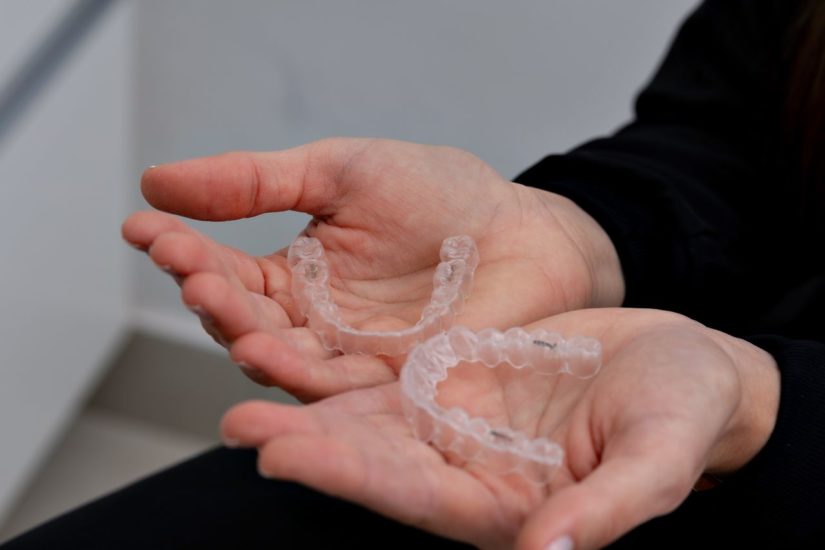
Invisalign is one of the most recognised clear aligner systems available today. Instead of brackets and wires, treatment uses a series of custom-made clear aligners that gradually move your teeth into position. They are removable, virtually invisible and suitable for many mild to moderately complex orthodontic cases.
Benefits of Invisalign
- Nearly invisible during treatment
- Removable for eating and drinking
- Easier brushing and flossing
- No food restrictions
- Smooth plastic aligners without metal wires
- Often fewer emergency appointments than braces
Things to Consider
For Invisalign to work effectively, aligners generally need to be worn for around 20–22 hours each day. Success depends on following your dentist’s instructions and wearing the aligners consistently.
Are All Clear Aligners the Same?
Many people use the term “Invisalign” to describe all clear aligners, but Invisalign is actually one brand.
There are several clear aligner systems available, and while many can produce excellent results, outcomes depend on factors such as:
- Your individual dental condition
- The complexity of tooth movement required
- Careful treatment planning
- Ongoing professional supervision
Choosing treatment based solely on price or advertising isn’t recommended. A thorough dental assessment is essential before beginning any orthodontic treatment.
Braces vs Invisalign: Which Is Better?
The best treatment depends on your individual smile, bite and lifestyle. Both options are highly effective, but each offers different advantages.
Traditional Braces May Be Best If You:
- Have moderate to complex alignment or bite issues
- Want a treatment that works continuously without needing to remember to wear aligners
- Don’t mind the appearance of metal or ceramic brackets
- Need precise control over complex tooth movements
Invisalign May Be Best If You:
- Prefer a discreet, nearly invisible treatment option
- Want the flexibility to remove your aligners for eating and brushing
- Have mild to moderate orthodontic concerns (and some complex cases, depending on your dentist’s assessment)
- Are committed to wearing your aligners for 20–22 hours each day
Ultimately, neither treatment is universally better than the other. A comprehensive dental assessment is the best way to determine which option will achieve the safest, most effective and long-lasting results for your smile.
How Long Does Teeth Straightening Take?
Treatment time varies depending on the complexity of your case.
Many patients complete treatment within:
- Minor corrections: 6 to 12 months
- Moderate cases: 12 to 18 months
- Complex orthodontic cases: 18 to 24 months or longer
Every smile is unique, which is why a professional assessment is necessary before providing an accurate timeframe.
Maintaining Your New Smile
After orthodontic treatment is complete, retainers play an important role.
Without retainers, teeth naturally tend to shift over time. Wearing retainers as instructed helps maintain your results for many years.
Your dentist will recommend the most appropriate retainer schedule based on your treatment.
Choosing the Right Treatment
There is no one-size-fits-all solution for achieving straight teeth. Traditional braces, ceramic braces and Invisalign each have their own advantages, and the right choice depends on your smile, lifestyle and orthodontic needs.
A comprehensive dental assessment is the best way to determine which treatment will provide the safest, most predictable and long-lasting results. If you’re considering orthodontic treatment, the experienced team at Tindale Dental Centre can assess your smile, discuss your goals and recommend the most suitable solution, including Invisalign where appropriate.
Frequently Asked Questions
Is Invisalign faster than braces?
Treatment times vary depending on the complexity of your case. Some Invisalign cases can be completed in a similar timeframe to braces, while others may be quicker or take longer depending on individual circumstances.
Can adults straighten their teeth?
Absolutely. More adults than ever are choosing orthodontic treatment to improve both their smile and oral health.
Does getting straight teeth hurt?
Some temporary discomfort is normal after adjustments or when changing aligners, but this usually settles within a few days as your teeth begin moving.
Will I need a retainer forever?
Most people will need to wear retainers long term to maintain their results, although the frequency usually decreases over time.
Can crooked teeth affect oral health?
Yes. Crowded or overlapping teeth can make cleaning more difficult, increasing the risk of plaque build-up, tooth decay and gum disease.