A healthy smile is about more than appearance. Damaged, worn, decayed or missing teeth can affect how you eat, speak and feel about your smile. Restorative dentistry focuses on repairing or replacing teeth so they can function comfortably while also improving their appearance.
Depending on your individual dental needs, restorative treatment may involve fillings, crowns, bridges, dental implants or other tooth-restoring procedures. The right approach will depend on factors such as the amount of tooth structure remaining, your oral health and your long-term goals.
If you are considering restorative dentistry in Penrith, understanding what these treatments can achieve may help you have a more informed conversation with your dentist.
1. Repair Damaged or Decayed Teeth
Tooth decay, cracks, chips and general wear can gradually compromise the structure of a tooth. Restorative dentistry can repair affected areas and help prevent further deterioration.
For smaller areas of damage, a tooth-coloured filling may be enough to restore the tooth. Composite resin restorations can be matched to the surrounding teeth, making them a discreet option for repairing cavities and minor damage.
When more of the tooth has been lost, a stronger restoration may be required. A dentist can assess the remaining tooth structure and recommend an appropriate treatment based on its condition.
The goal is not simply to make the tooth look better, but to restore its structure and function wherever possible.
2. Strengthen Weakened Teeth
Teeth that have suffered significant decay, cracks or structural damage may need more support than a traditional filling can provide.
A dental crown is designed to cover and protect the remaining tooth structure. Crowns can help restore the shape and strength of a damaged tooth while also improving its appearance.
Unlike veneers, which generally cover the front surface of a tooth for cosmetic purposes, crowns cover the tooth above the gum line. This makes them particularly useful when a significant amount of tooth structure has been lost.
Modern dental ceramics can also be designed to closely resemble natural teeth, allowing restorative treatment to combine strength with a natural-looking result.
3. Restore Missing Teeth
Losing a tooth can affect more than the appearance of your smile. Depending on its location, it may also affect chewing and the way your remaining teeth come together.
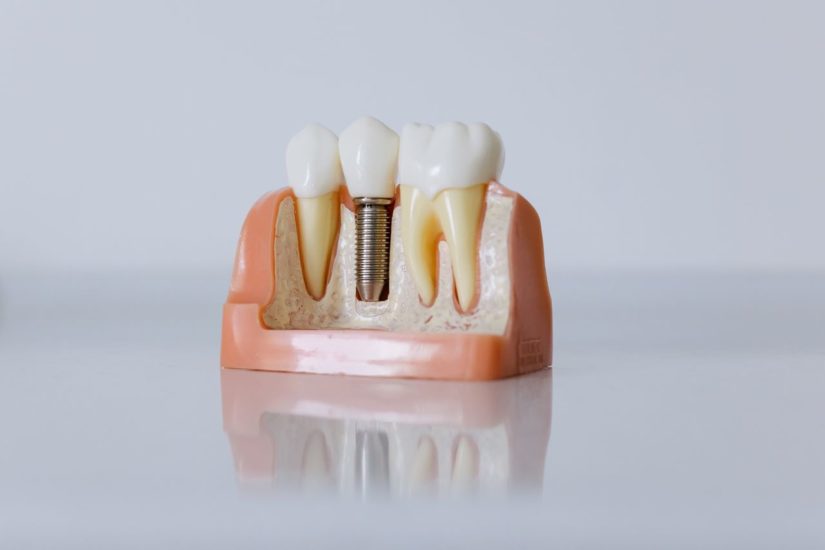
Restorative dentistry can provide different options for replacing missing teeth, including dental bridges and implants.
A dental bridge uses supporting teeth or implants to hold a replacement tooth in place. Dental implants, meanwhile, are designed to replace the missing tooth root and can support a replacement tooth.
The most appropriate option will depend on factors such as your oral health, the condition of surrounding teeth and your individual circumstances. Your dentist can explain the available options and their potential benefits.
4. Improve the Appearance of Your Smile
Restorative dentistry is not solely focused on function. Modern restorative materials can also be used to create a more natural-looking smile.
Tooth-coloured fillings, ceramic restorations and crowns can be designed to complement the colour, shape and proportions of your existing teeth. This can make repaired teeth less noticeable while restoring their function.
In some cases, restorative and cosmetic dentistry may also overlap. For example, a tooth that is both structurally damaged and aesthetically compromised may require a restoration that addresses both concerns.
The result should be a smile that looks natural rather than obviously “restored”.
5. Make Everyday Activities More Comfortable
Damaged or missing teeth can make everyday activities such as chewing uncomfortable or difficult. A tooth that has cracked, lost significant structure or developed extensive decay may also become increasingly sensitive.
Restoring the affected tooth can help return it to a more functional state.
Depending on the treatment required, restorative dentistry can help you:
- Chew food more comfortably
- Restore damaged tooth structure
- Improve the stability of your bite
- Replace missing teeth
- Reduce the visibility of dental damage
- Protect weakened teeth from further damage
Restorative treatment is also often part of a broader approach to maintaining your natural teeth for as long as possible.
What Can You Expect From Restorative Dentistry?
The process will vary depending on the treatment you need. Your dentist will first assess your teeth, gums and overall oral health before discussing suitable options.
This may involve a clinical examination and dental imaging where required. Digital dental technology can also assist with diagnosis and treatment planning. For example, digital impressions can provide detailed 3D representations of the teeth while avoiding the need for traditional impression trays.
Your dentist can then explain:
- What is causing the problem
- Which treatment options may be appropriate
- What the procedure involves
- How many appointments may be required
- What the expected outcome may be
- How to care for your restoration afterwards
Not every damaged tooth requires the same treatment, so an individual assessment is important before deciding on a procedure.
How Long Do Dental Restorations Last?
The lifespan of a restoration depends on several factors, including the type of restoration, the condition of the tooth, your oral hygiene and habits such as teeth grinding.
Good daily brushing and interdental cleaning are important for maintaining both restored and natural teeth. Regular dental examinations can also help identify problems before they become more significant.
For example, patients with crowns should continue to clean around them carefully and avoid using their teeth to bite or open objects. Patients who grind their teeth may also benefit from discussing a night guard with their dentist.
Restorative Dentistry in Penrith
Restorative dentistry can do more than repair a damaged tooth. The right treatment can restore function, strengthen weakened teeth, replace missing teeth and create a more natural-looking smile.
If you are experiencing a damaged, worn, decayed or missing tooth, a dental assessment can help determine whether restorative treatment is appropriate for you.
Restore Your Smile With Tindale Dental Centre
Tindale Dental Centre provides restorative dental care in Penrith, with treatment options designed around the condition and needs of each patient’s teeth. We offer restorative treatments including tooth-coloured restorations and crowns, as well as other dental services that can support comprehensive oral care. We also use digital dental technologies, including digital impressions and diagnostic imaging, to assist with treatment planning and patient care.
If you are considering restorative dentistry in Penrith, speak with our team to discuss your concerns and the treatment options available for your smile.
Frequently Asked Questions About Restorative Dentistry
What is the difference between restorative and cosmetic dentistry?
Restorative dentistry focuses primarily on repairing or replacing teeth and restoring their function. Cosmetic dentistry primarily focuses on improving the appearance of the smile. Some treatments can achieve both functional and aesthetic benefits.
Can restorative dentistry save a damaged tooth?
In some cases, yes. Depending on the extent of the damage, a dentist may be able to restore and protect the remaining natural tooth. Severely damaged teeth may require more extensive treatment, while some teeth may not be suitable for restoration.
Is restorative dentistry suitable for older adults?
Yes. Restorative dental treatment can be considered at any age when a person has damaged, decayed, worn or missing teeth. Treatment is planned according to the individual’s oral health and general circumstances.
Can restorative dentistry fix problems with my bite?
Some restorative treatments can help restore the shape and position of a tooth, which may contribute to improved bite function. However, the cause of a bite problem needs to be assessed before treatment is recommended.
Will my restored tooth look like a natural tooth?
Many modern restorative materials are designed to closely replicate the appearance of natural teeth. Your dentist can discuss the materials and techniques that may provide the most suitable aesthetic result for your particular tooth.
Can I eat normally after restorative dental treatment?
This depends on the procedure and the type of restoration. Your dentist will provide specific instructions about eating, drinking and caring for the treated area following your appointment.
How do I know which restorative treatment I need?
There is no single treatment that is suitable for every damaged or missing tooth. Your dentist will assess the tooth and surrounding structures before recommending an appropriate option based on its condition, function and your oral health goals.